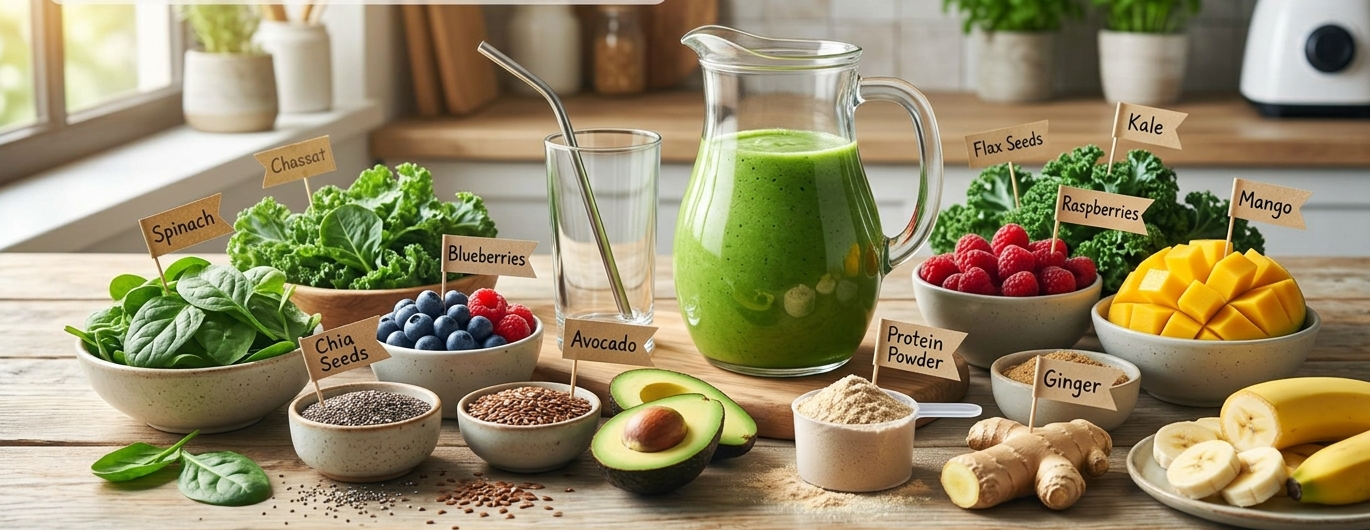
10 Healthy Smoothie Ingredients That Boost Nutrition Naturally
A great smoothie is only as healthy as what goes into it, and choosing the right healthy smoothie ingredients can turn a simple blended drink into a genuine nutritional powerhouse. Whether you are aiming to boost your fiber intake, sneak in more vegetables, or simply make breakfast more nutritious without sacrificing flavor, the ingredients below are some of the most effective, versatile additions you can keep stocked in your kitchen.
This list goes beyond the basics, covering exactly why each ingredient matters nutritionally and how to use it without overwhelming your blender or your taste buds. Add even two or three of these to your regular rotation, and you will notice a real difference in how your smoothies fuel your day.
1. Spinach
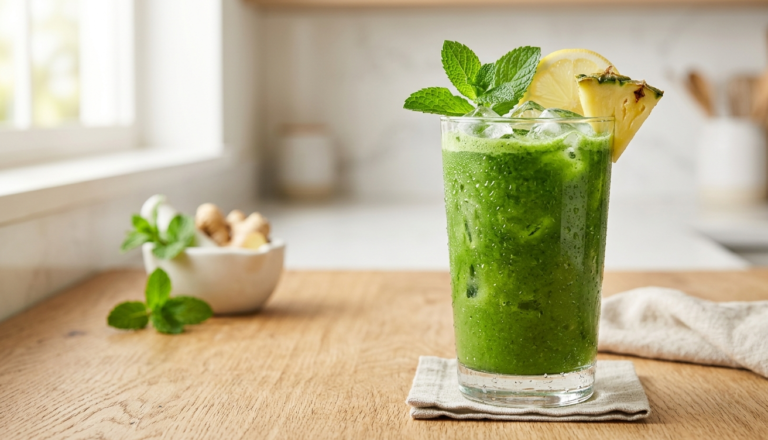
Spinach is the easiest way to add a serving of vegetables to your smoothie without changing the flavor much at all. It blends completely smooth and has a very mild taste, especially when paired with naturally sweet fruits like banana or mango. According to the Harvard T.H. Chan School of Public Health, leafy greens like spinach are an excellent source of vitamin K, along with iron, folate, and antioxidants. Just one to two cups of raw spinach can be blended directly into any smoothie with almost no impact on color or taste once mixed with fruit.
2. Chia Seeds
Chia seeds are tiny but nutritionally mighty, packed with fiber, plant-based omega-3 fatty acids, and a good amount of plant protein. They also have a unique ability to absorb liquid and form a gel-like texture, which naturally thickens your smoothie and helps keep you full for longer. Just one tablespoon adds roughly 5 grams of fiber, making chia seeds one of the most efficient ways to boost the staying power of your morning smoothie.
3. Greek Yogurt
Greek yogurt adds a creamy texture along with a substantial protein boost, often providing around 15 to 20 grams of protein per cup. It also contains probiotics, which support gut health. Choosing plain, unsweetened Greek yogurt keeps added sugar out of your smoothie while still giving you that thick, satisfying consistency that makes a smoothie feel more like a meal than a snack.
4. Frozen Berries
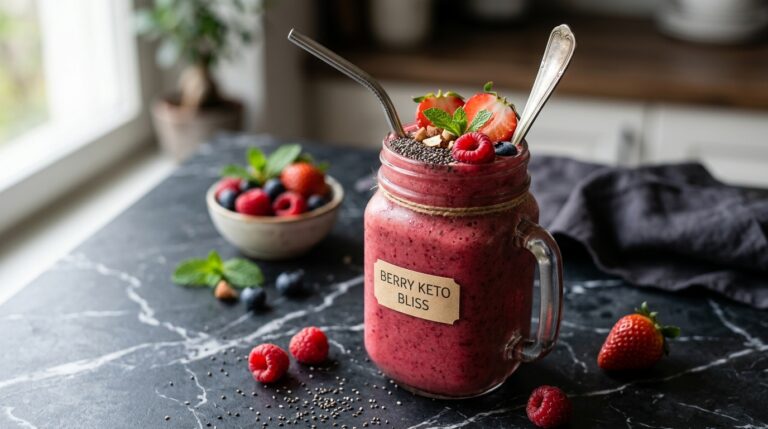
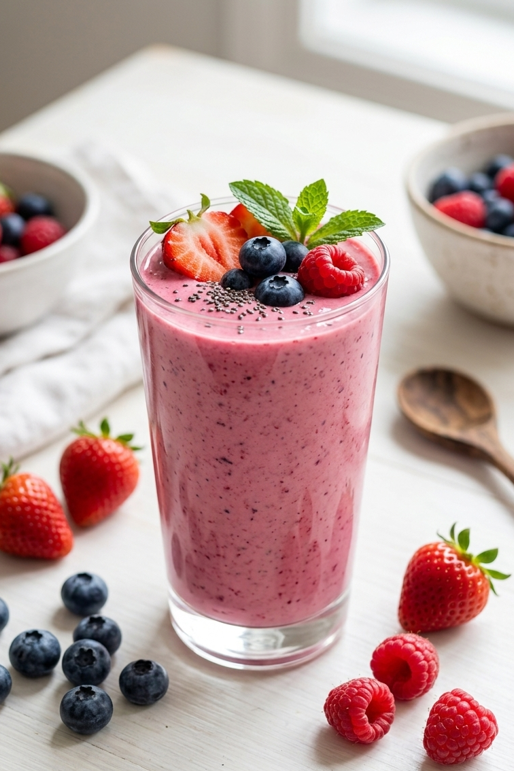
Blueberries, strawberries, and raspberries are loaded with antioxidants called anthocyanins, which give berries their deep color and have been studied for their potential role in reducing oxidative stress in the body. Using frozen berries instead of fresh also means you get a thicker, colder smoothie texture without needing extra ice, and frozen fruit is typically just as nutritious as fresh since it is flash-frozen at peak ripeness.
If you want a ready-to-go berry smoothie recipe that uses this ingredient well, check out our Berry Yogurt Smoothie Recipe, which combines berries and yogurt for a naturally pink, protein-packed drink.
5. Ground Flaxseed
Flaxseed is another excellent source of omega-3 fatty acids and fiber, but it needs to be ground rather than used whole, since whole flaxseeds tend to pass through the digestive system without being broken down. Ground flaxseed has a subtle, nutty flavor that blends seamlessly into most smoothies and is an easy way to support heart health and digestion at the same time.
6. Banana
Bananas are a smoothie staple for good reason. They provide natural sweetness without needing added sugar, contribute a creamy texture, and are an excellent source of potassium, which supports healthy blood pressure and muscle function. Freezing ripe bananas ahead of time is a simple trick that gives your smoothie a thicker, ice-cream-like texture while reducing food waste from overripe bananas.
7. Avocado
Avocado might not be the first ingredient that comes to mind for smoothies, but it adds an incredibly rich, creamy texture along with heart-healthy monounsaturated fats. Unlike many other fruits, avocado has a very mild flavor on its own, meaning it will not overpower other ingredients while still contributing valuable nutrients like potassium, fiber, and vitamin E.
8. Fresh Ginger
A small piece of fresh ginger root adds a warm, slightly spicy kick to smoothies while offering potential digestive and anti-inflammatory benefits. Ginger has long been used to help settle upset stomachs and is a popular addition to smoothies designed to support digestion. Just a half-inch piece, peeled and blended directly, is usually enough to notice the flavor without it becoming overpowering.
If digestive comfort is your main goal, our Best Anti-Bloating Smoothie for Quick Relief uses ginger alongside other gut-friendly ingredients for a smoothie specifically designed to ease bloating.
9. Oats
Adding a quarter cup of rolled oats to your smoothie is a simple way to increase fiber and create a more filling, breakfast-appropriate drink. Oats contain a type of soluble fiber called beta-glucan, which has been studied for its potential role in supporting healthy cholesterol levels. They also add subtle texture and help make a smoothie more substantial without needing extra fruit or sweeteners.
10. Turmeric
Turmeric has become a popular smoothie addition thanks to curcumin, its primary active compound, which has been widely studied for its potential anti-inflammatory properties. The National Institutes of Health has published research reviewing curcumin’s potential health benefits, though absorption is improved when turmeric is paired with black pepper and a source of fat, both of which are easy to include in a smoothie alongside ingredients like avocado or yogurt.
For a complete recipe that puts turmeric to great use, our Anti-Inflammatory Smoothie combines it with other nutrient-dense ingredients from this list for a well-rounded, health-focused drink.
How to Build a Balanced Smoothie
The best smoothies combine a few different categories of ingredients rather than relying on fruit alone. A simple formula to follow is: one source of protein (Greek yogurt, protein powder, or nut butter), one source of healthy fat (avocado, chia seeds, or flaxseed), one or two servings of fruit for natural sweetness, a leafy green if desired, and enough liquid to reach your preferred consistency. Following this structure helps prevent the blood sugar spikes that can come from fruit-heavy smoothies made without any protein or fat to slow digestion.
Common Smoothie Mistakes to Avoid
- Using too much fruit juice as the base. Juice adds sugar without the fiber found in whole fruit, so opt for water, milk, or plain yogurt instead
- Skipping protein and fat entirely. A fruit-only smoothie digests quickly and can leave you hungry again within an hour
- Adding too many ingredients at once. Stick to four or five core ingredients to keep flavors balanced and avoid an overwhelming taste
- Forgetting about portion size. Even healthy smoothies can pack significant calories when oversized, so be mindful of total volume
Frequently Asked Questions
Can I use frozen vegetables like spinach instead of fresh?
Yes, frozen spinach works just as well as fresh and blends smoothly once thawed slightly or processed with enough liquid. It is also a convenient way to reduce food waste since it lasts much longer than fresh greens.
How many of these ingredients should I add to one smoothie?
Choosing three to five ingredients from this list, alongside your fruit and liquid base, is generally enough to create a well-rounded, nutrient-dense smoothie without overcomplicating the flavor or texture.
Are smoothies a good replacement for whole fruits and vegetables?
Smoothies can be a great way to increase your intake of fruits and vegetables, especially for those who struggle to eat them otherwise, but they should not completely replace whole foods, since chewing and the structure of whole produce also play a role in digestion and satiety.
What is the best liquid base for a healthy smoothie?
Water, unsweetened almond milk, and plain coconut water are all excellent low-calorie options that will not add unnecessary sugar, unlike fruit juices or sweetened dairy alternatives.
Final Thoughts
Building a genuinely healthy smoothie comes down to choosing the right combination of ingredients rather than just blending whatever fruit is on hand. By rotating through nutrient-dense additions like spinach, chia seeds, Greek yogurt, and turmeric, you can turn an ordinary smoothie into a real source of fiber, protein, healthy fats, and antioxidants. Start with one or two new ingredients from this list, and build from there until you find the combination that works best for your taste and your goals.