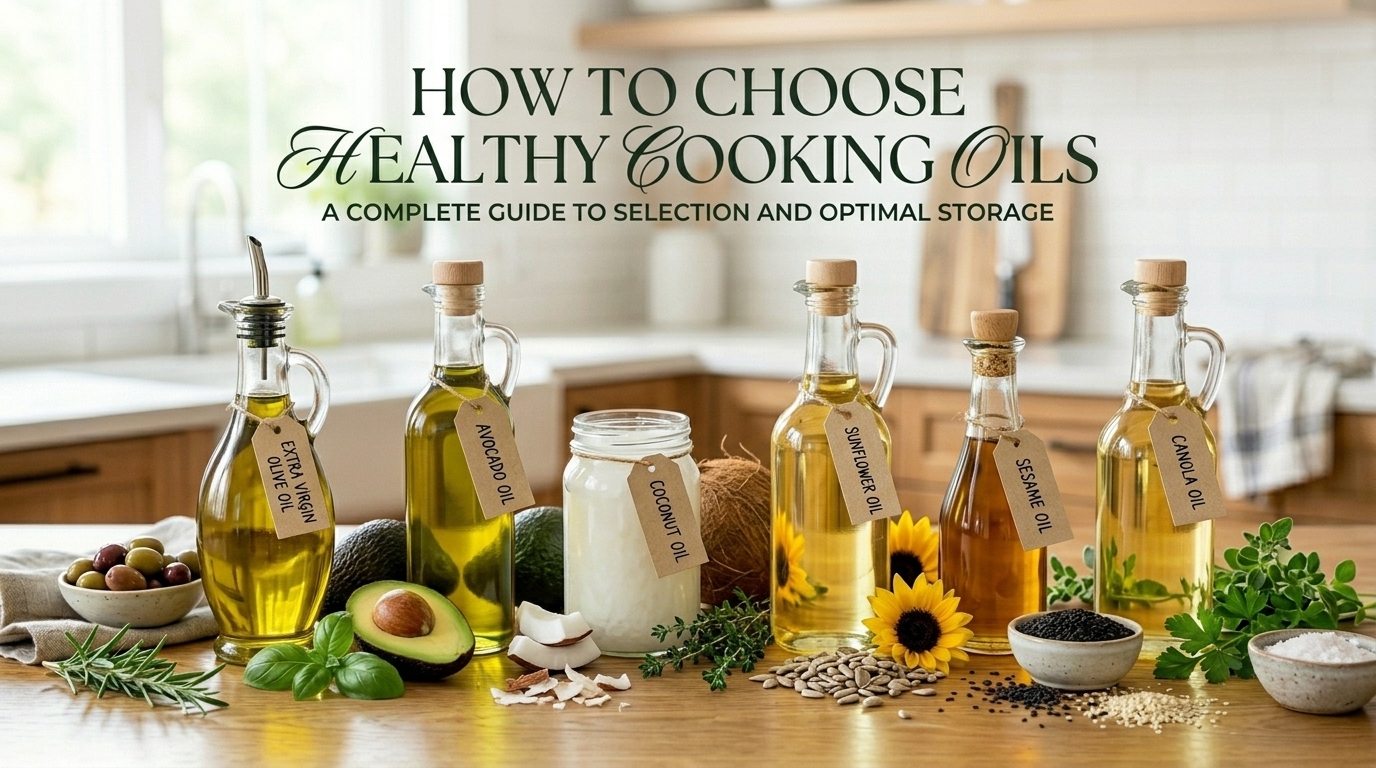
Best Cooking Oils Explained: A Complete Guide to Choosing the Right Oil
By Easy Cooking 4You
This guide on best cooking oils explained will help you choose the right one every time. Cooking oils are an essential part of almost every kitchen. Whether you’re frying vegetables, roasting chicken, baking cakes, or making a fresh salad dressing, the type of oil you choose can significantly impact the flavor, nutrition, and overall quality of your meals.
With so many options available, many home cooks wonder which oils are healthiest and which are best for specific cooking methods. This guide provides the best cooking oils explained in simple terms, helping you make informed choices for healthier and tastier meals.
What Are Cooking Oils?
Cooking oils are fats extracted from plants, seeds, nuts, or fruits. They are commonly used for frying, sautéing, baking, roasting, and preparing dressings and marinades.
Each oil has unique characteristics, including:
- Flavor profile
- Nutritional value
- Smoke point
- Best cooking applications
Understanding these differences helps you choose the right oil for every recipe.
Why Choosing the Right Cooking Oil Matters
Many people focus on ingredients but overlook the importance of cooking oil.
Learning about the best cooking oils explained can help you:
- Improve heart health
- Increase healthy fat intake
- Enhance food flavor
- Reduce exposure to unhealthy fats
- Achieve better cooking results
The right oil can make a significant difference in both nutrition and taste.
Best Cooking Oils Explained for Everyday Cooking
Extra Virgin Olive Oil
Extra virgin olive oil is one of the healthiest cooking oils available.
Benefits
- Rich in antioxidants
- High in heart-healthy monounsaturated fats
- Anti-inflammatory properties
- Supports cardiovascular health
Best Uses
- Salad dressings
- Light sautéing
- Roasted vegetables
- Dipping bread
Smoke Point
Approximately 375°F (190°C)
Olive oil remains one of the top recommendations when discussing the best cooking oils explained for healthy eating.
Avocado Oil
Avocado oil has become increasingly popular among health-conscious cooks.
Benefits
- Rich in healthy fats
- High smoke point
- Neutral flavor
- Excellent for high-heat cooking
Best Uses
- Grilling
- Frying
- Roasting
- Searing meats
Smoke Point
Approximately 520°F (271°C)
Its versatility makes avocado oil one of the best choices for everyday cooking.
Coconut Oil
Coconut oil offers a unique flavor and texture.
Benefits
- Contains medium-chain triglycerides (MCTs)
- Stable at moderate temperatures
- Popular in baking
Best Uses
- Baking
- Smoothies
- Certain Asian dishes
Smoke Point
Approximately 350°F (177°C)
While coconut oil can be useful, it should be consumed in moderation due to its high saturated fat content.
Canola Oil
Canola oil is widely used because of its affordability and versatility.
Benefits
- Neutral taste
- Low saturated fat
- Affordable option
Best Uses
- Baking
- Frying
- General cooking
Smoke Point
Approximately 400°F (204°C)
Many households rely on canola oil for daily meal preparation.
Sunflower Oil
Sunflower oil is extracted from sunflower seeds and is known for its light flavor.
Benefits
- Contains vitamin E
- Mild taste
- Suitable for high temperatures
Best Uses
- Frying
- Sautéing
- Roasting
Smoke Point
Approximately 450°F (232°C)
Peanut Oil
Peanut oil is a favorite for deep frying.
Benefits
- High smoke point
- Neutral flavor
- Excellent heat stability
Best Uses
- Deep frying
- Stir-frying
- Asian cuisine
Smoke Point
Approximately 450°F (232°C)
Sesame Oil
Sesame oil is valued for its distinctive nutty flavor.
Benefits
- Rich taste
- Contains antioxidants
- Enhances Asian dishes
Best Uses
- Stir-fries
- Marinades
- Finishing sauces
Smoke Point
Approximately 410°F (210°C)
A small amount can add significant flavor to many recipes.
Best Cooking Oils Explained by Cooking Method
Best Oils for Frying
For frying, choose oils with high smoke points.
Top options include:
- Avocado oil
- Peanut oil
- Sunflower oil
- Canola oil
These oils remain stable under high temperatures.
Best Oils for Baking
For baked goods, neutral flavors work best.
Recommended oils:
- Canola oil
- Coconut oil
- Light olive oil
These oils blend well into cakes, muffins, and quick breads.
Best Oils for Salad Dressings
Cold applications benefit from flavorful oils.
Top choices:
- Extra virgin olive oil
- Avocado oil
- Sesame oil
These oils provide rich flavor and nutritional benefits.
Understanding Smoke Points
A smoke point is the temperature at which oil begins to break down and produce smoke.
When oil exceeds its smoke point:
- Flavor deteriorates
- Nutrients decrease
- Harmful compounds may form
Choosing the correct oil based on cooking temperature is essential.
High Smoke Point Oils
- Avocado oil
- Peanut oil
- Sunflower oil
Medium Smoke Point Oils
- Olive oil
- Sesame oil
Lower Smoke Point Oils
- Coconut oil
- Unrefined specialty oils
Understanding smoke points is one of the most important aspects of the best cooking oils explained guide.
Cooking Oils to Limit or Avoid
Not all oils offer the same nutritional benefits.
Consider limiting:
Partially Hydrogenated Oils
These may contain trans fats, which have been linked to heart disease.
Highly Processed Oils
Some heavily refined oils may lose nutrients during processing.
Always read labels carefully and choose minimally processed oils whenever possible.
Health Benefits of Different Cooking Oils
Each oil provides unique health advantages.
Olive Oil
Supports heart health and reduces inflammation.
Avocado Oil
Provides healthy fats and antioxidants.
Sunflower Oil
Contains vitamin E, which supports immune function.
Sesame Oil
Offers antioxidants and beneficial plant compounds.
When selecting oils, balance nutritional value with intended cooking use.
How to Store Cooking Oils Properly
Proper storage helps maintain freshness and quality.
Storage Tips
- Keep oils in a cool, dark place.
- Avoid direct sunlight.
- Close bottles tightly after use.
- Store away from heat sources.
Exposure to heat, light, and air can cause oils to become rancid.
Frequently Asked Questions About Cooking Oils
Which Cooking Oil Is the Healthiest?
Extra virgin olive oil is often considered one of the healthiest options due to its antioxidant content and heart-health benefits.
Is Avocado Oil Better Than Olive Oil?
Both are excellent choices. Avocado oil performs better at high temperatures, while olive oil offers exceptional flavor and nutritional benefits.
Can You Reuse Cooking Oil?
Oil can sometimes be reused after filtering, but repeated heating may reduce quality and safety.
Which Oil Is Best for Deep Frying?
Avocado oil, peanut oil, and sunflower oil are among the best choices for deep frying due to their high smoke points.
Final Thoughts on the Best Cooking Oils Explained
Understanding the best cooking oils explained can help you make healthier and more effective choices in the kitchen. No single oil is perfect for every situation, which is why many experienced cooks keep several types on hand.
For everyday cooking, extra virgin olive oil and avocado oil are excellent choices. For high-heat frying, peanut oil and sunflower oil perform exceptionally well. For baking, canola oil and coconut oil remain popular options.
By selecting the right oil for each cooking method, you’ll improve flavor, maximize nutrition, and create better meals for your family every day.