Quick Dinner Mistakes That Make Cooking Take Longer Than Necessary
You set out to make a quick weeknight dinner, and somehow it is 8pm and you are still waiting for water to boil. Sound familiar? Most of the common quick dinner mistakes that slow people down have nothing to do with the recipe itself and everything to do with preparation, sequencing, and a few overlooked habits that add ten, twenty, or even thirty extra minutes to an otherwise simple meal. This guide identifies the most common culprits and shows you exactly how to fix them.
1. Not Reading the Recipe Before You Start
This is the single most time-stealing mistake in home cooking. Starting a recipe without reading it fully means you will inevitably hit a surprise step mid-cook, like a 30-minute marinating period or a sauce that needs to simmer separately, that you did not account for. Spend two minutes reading the full recipe before you touch a single ingredient, and you will cook faster, smoother, and with far fewer mid-recipe panics.
2. Starting With a Cold Pan
Putting ingredients into a cold pan and then turning on the heat is one of the most common beginner mistakes, and it adds significant time to nearly every recipe that calls for sauteing or searing. Always preheat your pan for one to two minutes before adding oil, and add your ingredients only once the oil shimmers. A properly heated pan also creates far better results, giving proteins a proper sear instead of steaming them in their own moisture.
3. Not Boiling Water First
Pasta, rice, blanched vegetables, and dozens of other common dinner components require boiling water. If you wait until you need it to start heating, you will lose five to ten minutes of otherwise productive cooking time. The fix is simple: the moment you enter the kitchen to start cooking, fill a pot and put it on the stove at high heat. By the time you have prepped everything else, the water will be ready.
4. Skipping Mise en Place
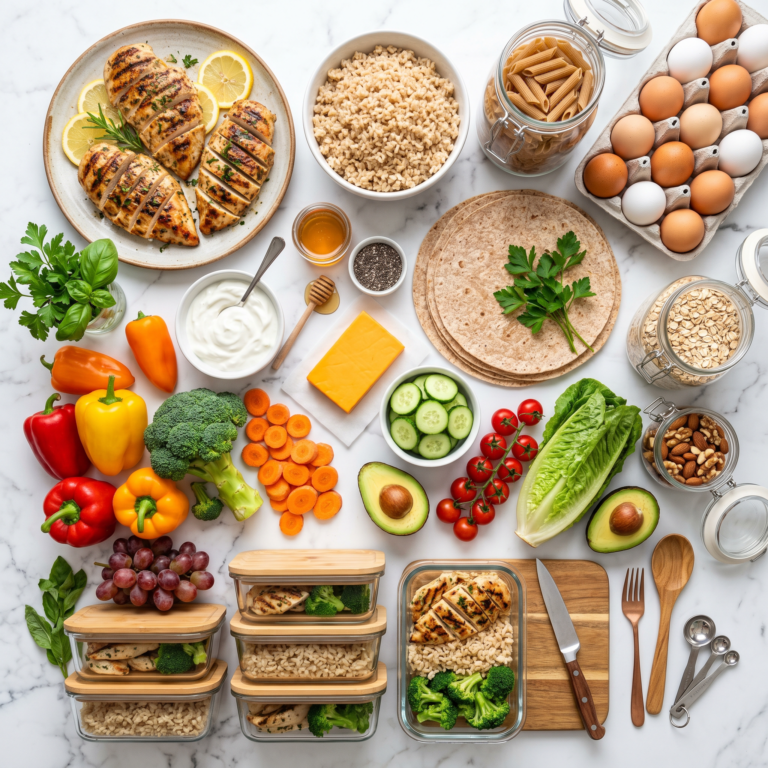
Mise en place is a French culinary term meaning “everything in its place,” and it is the single most transformative habit you can adopt from professional kitchens. It simply means chopping, measuring, and organizing all your ingredients before you start cooking. According to the Serious Eats cooking guide, professional cooks use mise en place because once a pan is hot and timing is critical, stopping to chop an onion or measure a spice creates chaos and causes food to burn or overcook while you scramble.
5. Using Too Small a Pan
Overcrowding a pan is one of the most common reasons food takes far longer than expected and never develops a proper sear or crust. When too much food is packed into a small skillet, the temperature drops, steam builds up, and the food essentially poaches in its own liquid rather than browning. Use a pan that is large enough to hold your ingredients in a single layer with a little room between pieces.
6. Cutting Ingredients Inconsistently
Unevenly cut vegetables and proteins cook at wildly different rates. A chunk of carrot three times the size of its neighbor will still be raw when the smaller pieces are overdone. Taking an extra minute to cut ingredients into uniform pieces means everything finishes cooking at the same time, eliminating the guesswork and the need to fish out individual pieces to check for doneness.
7. Constantly Lifting the Lid
Every time you lift the lid on a pot or pan, you release heat and moisture, which extends cooking time. Whether you are steaming vegetables, simmering a sauce, or cooking rice, trust the process and resist the urge to check constantly. Use timers instead of repeated peeking to stay on track without disrupting the cooking environment.
8. Not Cooking in Parallel
One of the biggest time-savers in home cooking is simply running multiple components simultaneously. While your protein is in the oven, your grain can be cooking on the stovetop and your salad can be getting prepped on the counter. Most home cooks finish one component before starting the next, which adds an enormous amount of unnecessary time to meals that could otherwise come together in under 20 minutes.
Learning to use your oven and stovetop at the same time is a core skill covered in our How to Meal Prep for a Whole Week in Just 2 Hours guide, which breaks down the exact parallel cooking method step by step.
9. Ignoring the Power of Leftovers
Cooking “just enough” for one meal every single night is the most time-intensive way to feed yourself. Intentionally doubling a recipe costs almost no extra time but gives you tomorrow’s dinner for free. The USDA MyPlate resource also notes that batch cooking and using leftovers creatively is one of the most practical strategies for maintaining a consistent healthy diet on a realistic schedule.
Frequently Asked Questions
How can I speed up weeknight cooking without sacrificing flavor?
Focus on mise en place (prepping everything before cooking), use a properly preheated pan, and run multiple cooking methods simultaneously. These three habits alone can cut 20 minutes from most weeknight dinners.
What is the biggest time-waster in home cooking?
Waiting until you need boiling water to start heating it and cooking one component at a time rather than running the oven and stovetop in parallel are consistently the two biggest time-wasters in home kitchens.
Is it worth buying pre-cut vegetables to save time?
Yes, pre-cut vegetables can meaningfully reduce prep time and are nutritionally comparable to whole produce. They tend to be slightly more expensive, so they are best used strategically on the busiest weeknights rather than as a constant replacement for whole vegetables.
Final Thoughts
Most slow dinners are not caused by difficult recipes, they are caused by easily fixable habits. Start preheating your pan before you need it, get your water boiling the moment you enter the kitchen, read the recipe fully before touching anything, and learn to run multiple components simultaneously. Adopt these habits consistently and you will find that your weeknight dinners start finishing in a fraction of the time they used to take.