Essential Cooking Techniques Every Beginner Should Learn
Recipes come and go, but mastering a core set of essential cooking techniques stays with you forever. Once you understand how to properly sear, roast, simmer, and saute, you stop relying on exact recipes and start cooking intuitively. This guide covers the foundational techniques every beginner should learn, along with a real recipe that puts one of them into immediate practice.
Why Techniques Matter More Than Recipes
Understanding technique means understanding why you do something, not just that you do it. Why does patting meat dry before searing matter? Because moisture prevents browning. Why do you rest meat after cooking? Because proteins need time to reabsorb their juices. According to Serious Eats, learning the principles behind each cooking technique is the single biggest accelerator of cooking skill for beginners.
1. Searing
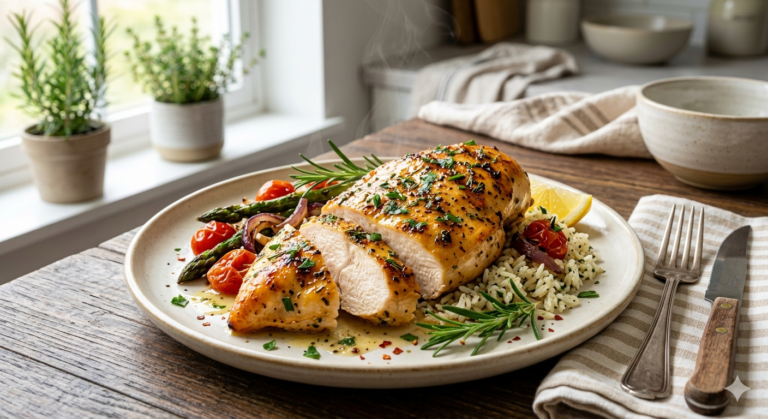
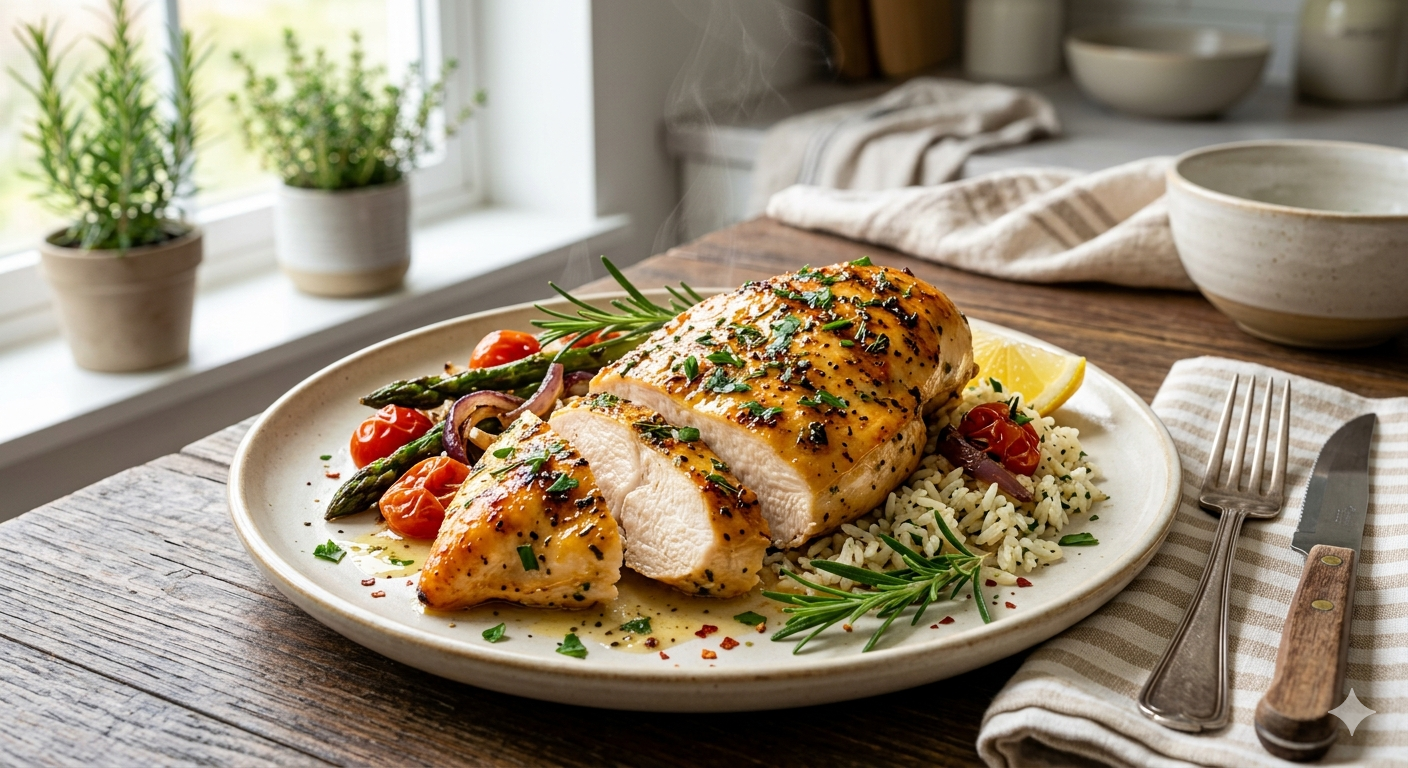
Searing is cooking food over high, dry heat to develop a browned, flavorful crust through the Maillard reaction. It is used for proteins like chicken, steak, pork chops, and fish. The key rules: hot pan, dry food, and do not move it until it releases naturally from the surface.
2. Roasting
Roasting uses dry oven heat to cook food evenly while developing caramelized concentrated flavor. Works beautifully for vegetables, whole chickens, and potatoes. General rule: 400 to 425F for vegetables, 325 to 375F for larger proteins.
3. Sauteing
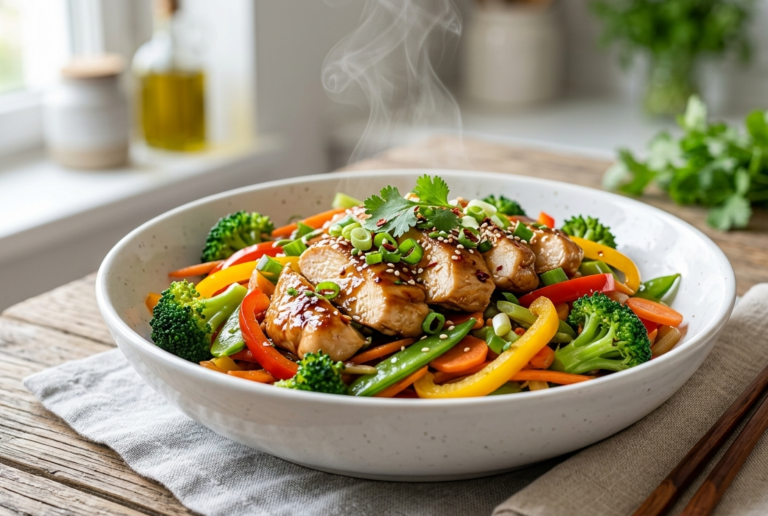
Sauteing means cooking food quickly in a small amount of fat over medium to high heat while moving it frequently. The go-to technique for garlic, onions, quick vegetable sides, and stir-fry dishes. Fast and enormously versatile.
4. Simmering and Braising
Simmering involves cooking liquid just below boiling point used for soups, sauces, and grains. Braising takes this further by cooking tougher cuts of meat low and slow in liquid, breaking down connective tissue into gelatin and producing fall-apart tender results.
5. Deglazing
Deglazing means adding liquid to a hot pan after searing to lift the caramelized brown bits (fond) from the bottom. Add wine or broth, scrape with a wooden spoon, and let reduce by half. That becomes your sauce with almost zero extra effort.
6. Knife Skills
Learning the basic cuts (dice, mince, julienne, chiffonade) and the claw grip for safety make every recipe faster and safer. A sharp knife held correctly is far safer than a dull one forced through ingredients under pressure.
7. Layered Seasoning
Professional cooks season in layers throughout cooking rather than only at the end. Salt is added before roasting, to pasta water, to proteins before searing, and adjusted at plating. According to Americas Test Kitchen, layered seasoning is the most cited differentiator between confident home cooks and beginners whose food always tastes a little flat.
8. Emulsification
Emulsification combines two liquids that do not naturally mix, like oil and vinegar, into a stable creamy mixture. Used in dressings, mayonnaise, hollandaise, and countless sauces. The key is adding oil very slowly to an acid while whisking vigorously, using mustard or egg yolk as an emulsifying agent.
Understanding why these techniques work connects directly to food science. Our post on The Science of Cooking: Why Heat Changes Food explains the chemistry behind searing, caramelization, and protein denaturation in accessible language.
Frequently Asked Questions
Which technique should a beginner learn first?
Searing. It is the most immediately impactful and teaches several foundational principles at once: pan temperature, moisture control, and timing.
Do I need special pans?
No. A 10 or 12-inch stainless steel skillet and a large heavy-bottomed pot cover the vast majority of these techniques. Cast iron is also excellent for searing and roasting.
How long until I get comfortable with these techniques?
Most people notice significant improvement after practicing each technique just three to five times. Repetition with a simple dish matters far more than reading about it.
How to Practice These Techniques Effectively
The most effective way to build cooking technique is through deliberate repetition rather than constant variety. Choose one technique per week, pick a simple recipe that showcases it, and cook it three or four times during that week. By the end of the week, the movements will start to feel natural, your timing will improve, and you will begin to notice when something looks or sounds right without relying on a timer or a recipe.
For example, if you are working on searing, cook pan-seared chicken breast three nights in a row. By the third time, you will know exactly what a properly preheated pan looks like, exactly when the chicken is ready to flip by how it releases from the surface, and exactly how to build a simple pan sauce from the fond left behind. That kind of embodied knowledge is what separates an instinctive cook from someone who always needs to look at a recipe.
Building a Beginner Technique Toolkit
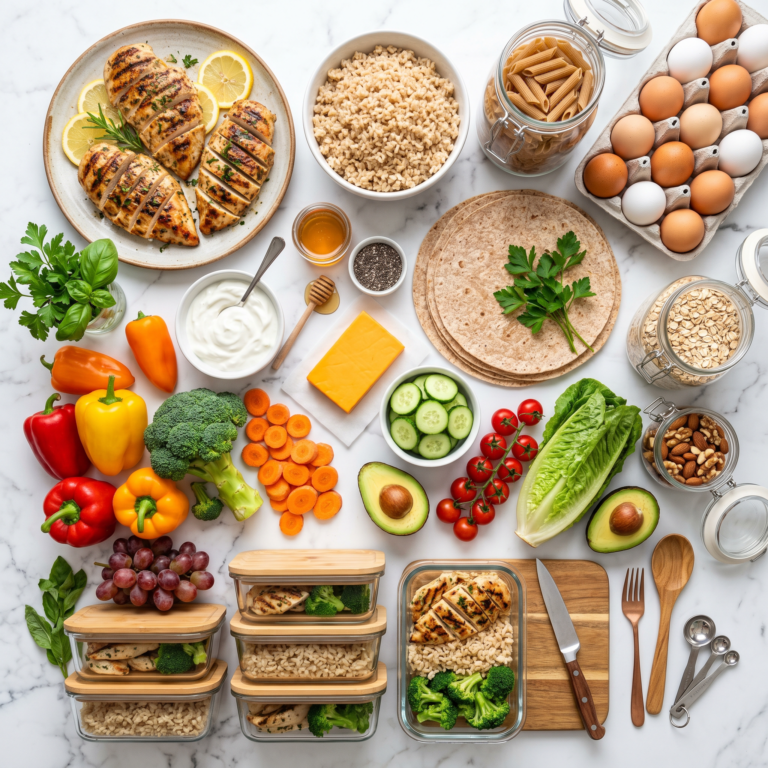
To practice all eight techniques in this guide effectively, you need remarkably little equipment. A sharp eight or ten inch chefs knife covers knife skills. A 12-inch stainless steel or cast iron skillet handles searing, sauteing, and deglazing. A heavy-bottomed pot handles simmering and braising. A sheet pan handles roasting. A mixing bowl and whisk handle emulsification. This is the entire toolkit, and most of it can be assembled for well under one hundred dollars if you shop at restaurant supply stores or discount kitchenware retailers.
The Role of Heat Control in All Eight Techniques
Every single technique on this list ultimately comes down to controlling heat effectively. Searing requires very high heat. Braising requires very low heat. Sauteing requires medium to high heat that you adjust as ingredients cook. Simmering requires heat just below boiling that you maintain consistently. Even emulsification is affected by temperature, since warm ingredients combine more easily than cold ones.
The most common source of cooking frustration for beginners is not using the wrong technique but using the right technique at the wrong temperature. Getting comfortable with your specific stove and how it responds, since every stove runs differently, is one of the most practical things a beginner can do to improve results quickly.
Final Thoughts
Learning to cook well is not about memorizing hundreds of recipes. It is about understanding a small set of core techniques you can apply to almost any ingredient in any combination. Master searing, roasting, sauteing, simmering, and layered seasoning and you will have the foundational skills to cook confidently and creatively for the rest of your life. Give yourself permission to make mistakes along the way, since every imperfect sear or slightly over-salted dish is teaching you something a recipe alone never could.